
Ordering liners and thin brick
From PCI RP 152-25, Recommended Practice for Embedded Clay Thin Brick in Precast Concrete, 2025.
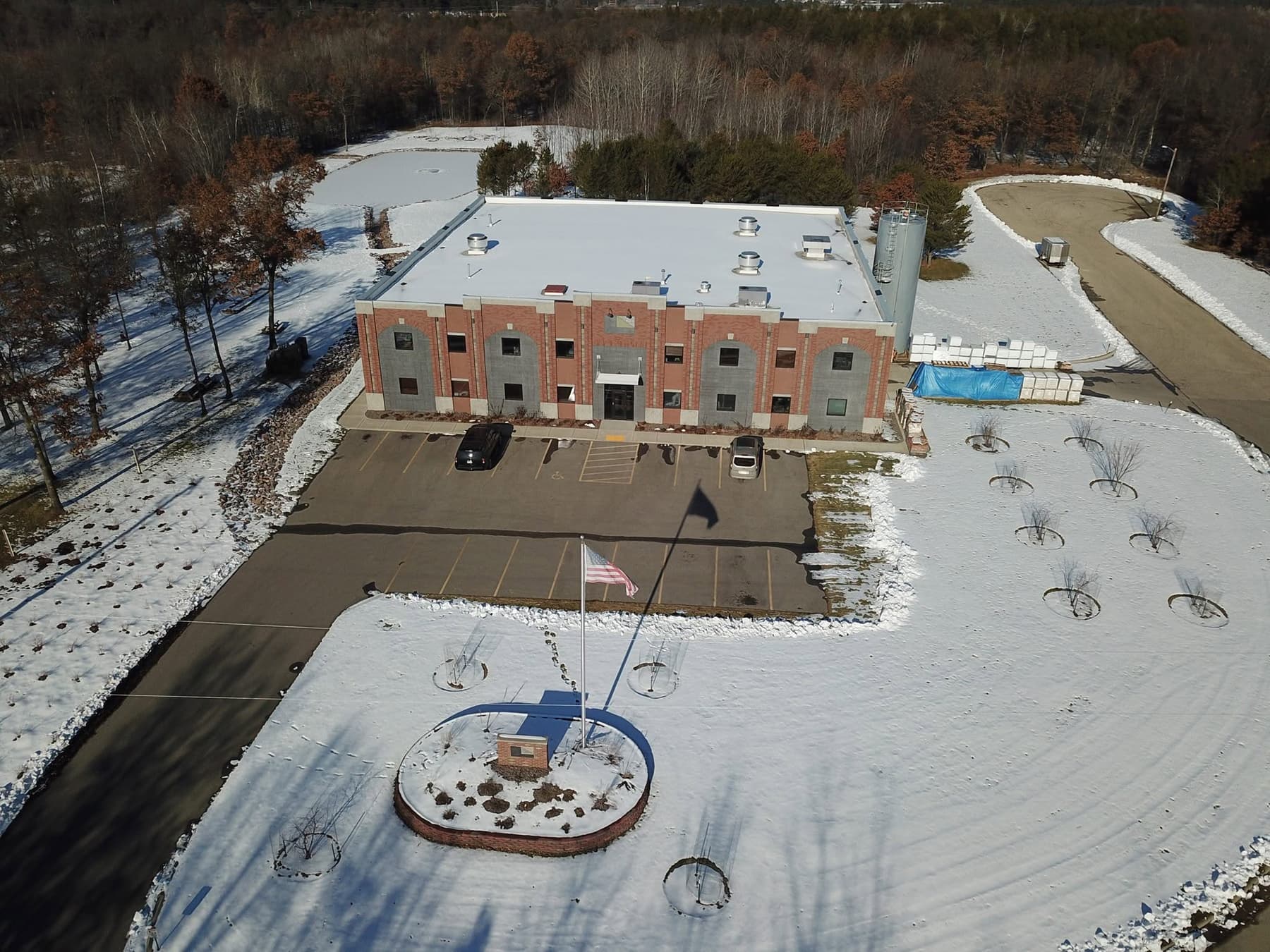
Advanced Formliners, Sparta, Wisconsin.
What to send when ordering liners.
| Drawings | Construction documents or erection drawings, so quantities and liner types are worked out together: field, corner and edge-cap liner, and the special liners and accessories at the edges. |
|---|---|
| Coursing | Pattern, transitions, mortar joint profile and any nonstandard coursing dimension, in writing and as a drawing. |
| Overage | Waste for form changes and normal breakdown on custom multiuse liners. A stock single-use profile may reduce it once real brick samples exist. |
| Brick from the production run | 25 flat pieces and 12 corners from the actual run for the job, as the minimum for a fit check. |
| Release agent | Cleared with the formliner and brick manufacturers, a reactive type, dry to the touch before brick goes into the liner. |


When the brick arrives.
| Measure on arrival | Every shape, with calipers, per ASTM C67 modified for embedded applications. |
|---|---|
| Document it | Photograph the measuring and report the findings to the brick provider. |
| Raise concerns immediately | Any size, color, finish or quality concern goes to the brick manufacturer and distributor as soon as it is noticed. |
| Coated brick | Protect from temperature extremes, which can freeze, soften, melt or degrade the coating. |
Order more than the take-off.
| Brick | Advanced suggests ordering 5 percent more brick than the take-off. |
|---|---|
| Liner | Advanced suggests ordering 10 percent more liner than the take-off. |
| Waste factor | Covers coursing cuts and breakage. A top-up order may not match the original run. |
| Color range | The range of shades accepted by the architect or owner after range samples are produced. Blend or mingle is a separate thing. |
Two letters to ask for.
| Certificate of compliance | The brick manufacturer states the brick meets the PCI specification, that test results are available on request, and that they have read RP 152-25. A template is in the appendices. |
|---|---|
| Letter of variance | States how a brick differs from the requirements: absorption, freeze thaw, size tolerance and so on. Reaches the producer before the job is bid, shared with the designer, the construction team and the formliner provider. |
Approval comes off a cast sample.
| Approval | After a precast sample made with the actual production processes, showing the cast mortar joint, the liner profile and the cleaning and finishing. |
|---|---|
| Sampling manuals | PCI MNL 116, MNL 117 and MNL 122. Samples start at 12 by 12 in. and move to 4 by 4 ft panels. |
Source: PCI RP 152-25, Recommended Practice for Embedded Clay Thin Brick in Precast Concrete, Architectural Precast Concrete Committee Thin Brick Task Group, 2025. Read it current before issuing anything for construction. Find RP 152-25 at pci.org →
Common questions.
- What should a precast producer send to the formliner manufacturer?
- RP 152-25 suggests considering sharing the construction documents or erection drawings so quantities and liner types can be worked out together, defining the coursing pattern and mortar joint profile both pictorially and in writing, agreeing an overage, and providing thin brick from the actual production run for a fit check. The recommended minimum for that fit check is 25 flat pieces and 12 corner pieces.
- Why does the liner maker need brick from the specific production run?
- Because fired clay varies between runs. RP 152-25 warns that evaluating a formliner against brick from a different run can produce an unacceptable fit, which shows up as production problems and as appearance problems in the finished panel. Where the schedule forces liners to be made before the brick run exists, that risk should be documented and communicated among all parties.
- What has to happen before the brick goes in the liner?
- Measure every shape with calipers on arrival per ASTM C67 as modified for embedded thin brick, photograph the process, report the findings to the brick provider, and raise any size, color, finish, or quality concern immediately. Coated brick also needs protecting from temperature extremes before it is cast.
- Does the release agent matter?
- Yes, and it has to be cleared with both suppliers. RP 152-25 recommends consulting the formliner manufacturer and the thin brick manufacturer to confirm the release agent is compatible with both products. It should be a reactive type and dry to the touch before brick is inserted into the liner.
- How much thin brick should be ordered?
- More than the take-off. Advanced suggests 5 percent more brick and 10 percent more liner. RP 152-25 recommends including a waste factor for coursing and breakage. The reason is color: if the original run is exhausted, a top-up order may not match, and if the manufacturer has to run more brick the project can be delayed and forms may have to be rebuilt.
More thin brick reference.

Request a sample.
Send your rep the erection drawings to size the liners, corners, edge caps and overage.