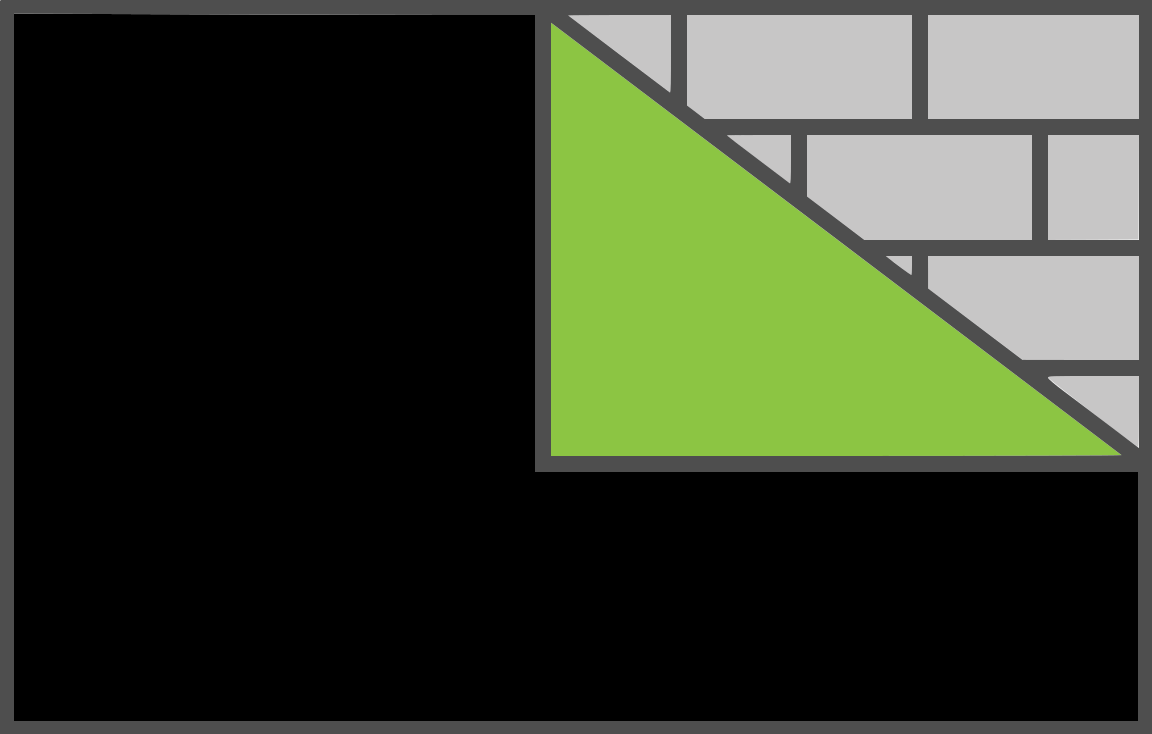
What a formliner is
A concrete formliner is a textured mold liner set inside the form or in the casting bed before the pour. The concrete cures against it, and the stripped face carries the shape of the liner. The liner is the negative and the concrete face is the positive.
Every panel poured against the same liner comes out the same. Rough cedar boards, running bond brick, ashlar stone, ribs, flutes, and logos can all be tooled into a liner face and cast into concrete.
Shallow textures give light relief. Deep profiles give shadow lines that read from a distance.
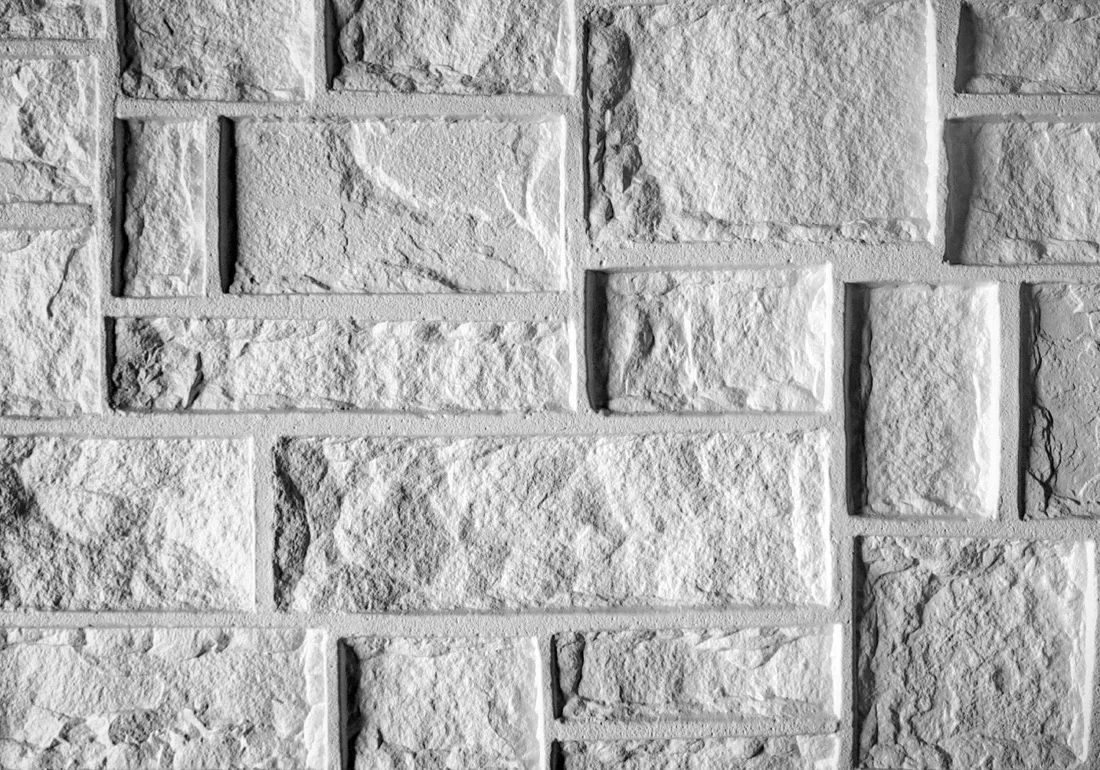
Where formliners are used
- Precast beds, where producers cast panels flat and repeat the same pour many times
- Tilt-up slabs, poured on site and stood up into walls
- Cast-in-place formwork, where the liner lines the inside face of the forms
Precast producers use liners most. The bed is flat, clean, and under a roof, and the crew casts the same panel again and again, so a liner that sets up fast and strips clean pays off across the run. Parking structures, schools, data centers, and retaining walls all take a finished face straight from the bed.
Liner materials
- Soft, flexible elastomeric rubber or foam. Handles deep and intricate textures, and usually goes one pour.
- Stiffer plastic, urethane, or ABS-style sheet. Strips clean and goes back in the bed for many pours.
A deep, sharp, one-off texture calls for a soft liner that releases without tearing. A simple pattern cast a hundred times calls for a stiff, reusable liner that holds its shape. The tradeoff is covered in single-use or multi-use liners.
How the panel takes the texture
- The crew cleans the bed and lays the liner face up.
- The edges are sealed so concrete cannot creep under the liner.
- Release agent is sprayed on so the concrete lets go later.
- Rebar and embeds go in.
- Concrete is placed and vibrated. Vibration works the mix into the fine detail so the panel picks up crisp lines.
- The concrete cures against the liner. At strength, the crew strips the form and lifts the panel.
The face is finished when the panel leaves the bed, with no second face to form and no mason.
Release agent and clean edges keep the detail sharp and the liner reusable. A good release lets the panel separate without pulling pieces off the liner. Poorly sealed edges let concrete leak and blur the pattern. PCI guidance for architectural precast stresses trial pours and mockups so the crew sets release, vibration, and mix before the production panels run.
Pattern liners and brick liners
A pattern liner shapes the concrete face itself. Board, stone, or rib, the texture is concrete, in the concrete color or the chosen face mix and stain.
A brick liner holds real thin brick in a grid during the pour. The concrete flows around the brick and bonds to it. The stripped panel has clay brick set in a concrete backing, with the mortar joints formed by the liner, cast at the plant and independent of site weather.
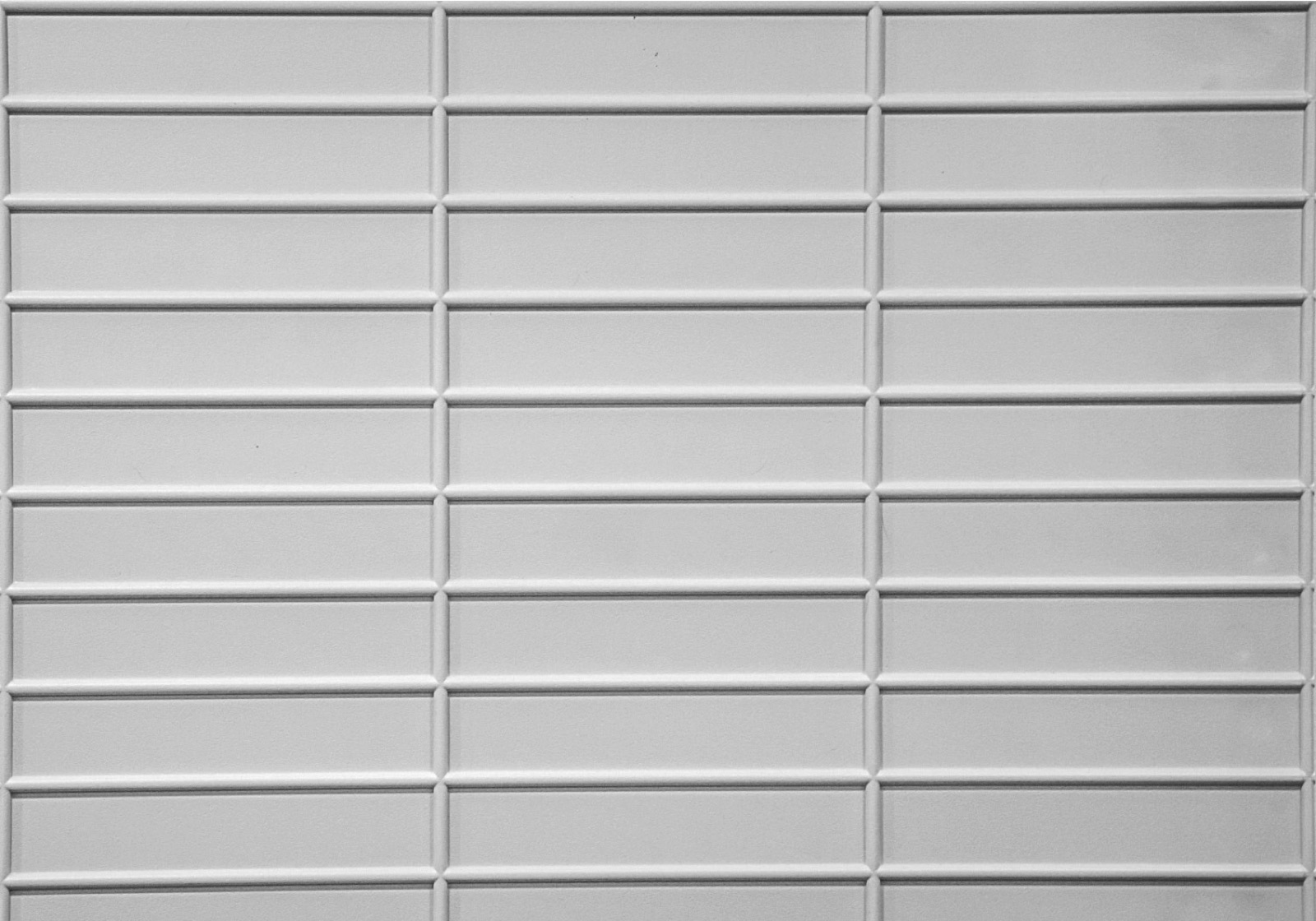
Common questions
- What is a concrete formliner?
- A formliner is a textured liner you set in the form or casting bed before you pour. The concrete hardens against it and picks up the pattern. When you strip the form, the finished face already carries the texture, so you get board, brick, stone, or a custom profile without any masonry work.
- Where do formliners get used?
- Formliners go in precast beds, tilt-up slabs, and cast-in-place formwork. Anywhere concrete cures against a surface, a liner can put a pattern on that face. Precast producers use them most because they cast the same panels over and over in a controlled bed.
- What is the difference between a pattern liner and a brick liner?
- A pattern liner shapes the concrete face itself, so the texture is concrete. A brick liner holds real thin brick in place during the pour, and the concrete bonds around them. One gives you a look in concrete, the other embeds actual brick in the panel.