
Relief depth
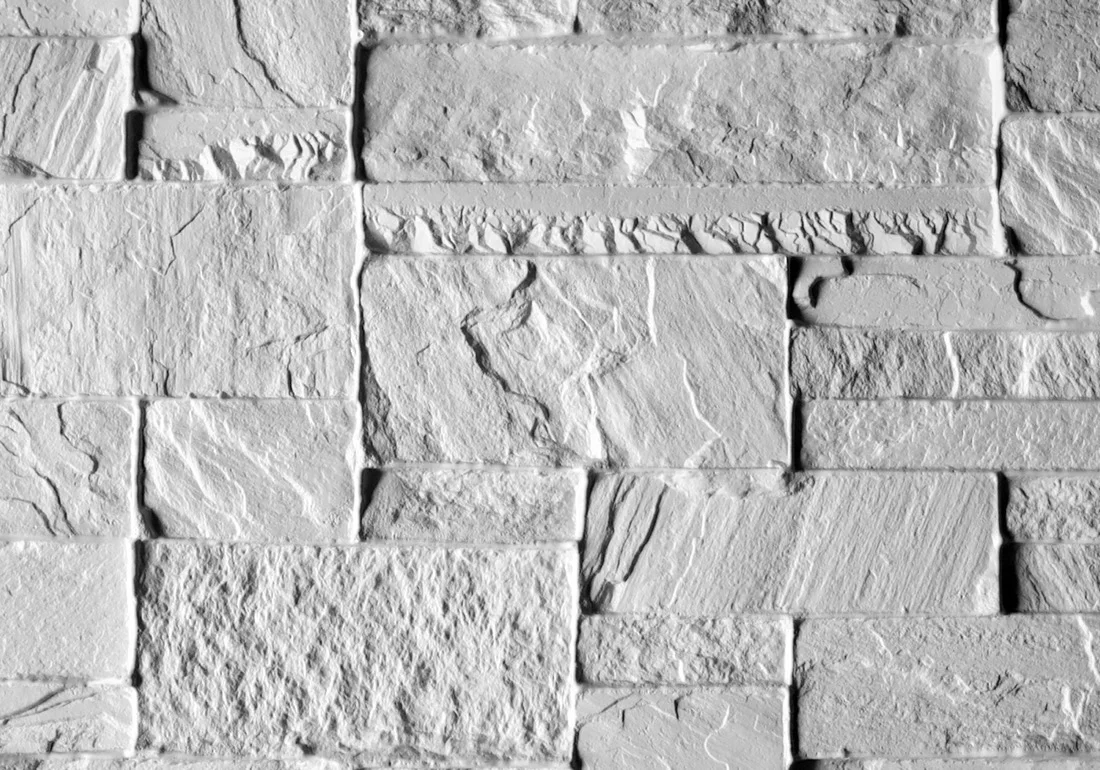
PCI guidance for architectural precast generally keeps design depth in the half inch to one inch range. That range gives shadow and texture without asking too much of the pour.
Relief deeper than an inch needs a sufficiently wide depressed area around it, so the concrete consolidates fully into the texture and the panel releases without tearing. A deep recess that is also narrow is hard to fill and hard to strip.
Draft
Draft is the slope on the sides of any indentation, so the recess is slightly wider at the panel face than at its base. It lets the hardened panel pull away from the liner without the concrete catching and chipping.
PCI guidance commonly points to a minimum positive draft of one inch in one foot for easy stripping, with one in eight preferred. Narrow, ribbed, or delicate sections need steeper draft, since a thin rib with no draft snaps off on strip.
Maintain draft on the sides of every indentation, including the small ones. Small details drawn straight-walled are the ones that spall.
Check a profile with the draft and depth checker.
Edges and corners
Sharp arrises are fragile in concrete. A crisp ninety degree corner in the texture chips on strip and later in handling and erection. Round or chamfer the edges and corners of the relief. A small radius or a chamfer holds up far better than a knife edge and usually reads just as well on the finished wall.
Joints
Every liner run has joints, and every panel has edges. Plan liner joints at the form edges where they resolve, or make a joint an intentional demarcation with a groove, a recess, or a rib at the joint line.
Advanced’s seamless liners are built so the sheet joint does not show in the finished panel, and starter and ender sheets close out the ends of a run so nothing gets trimmed in the bed. Reveals can then go where the design wants them.
Reveals
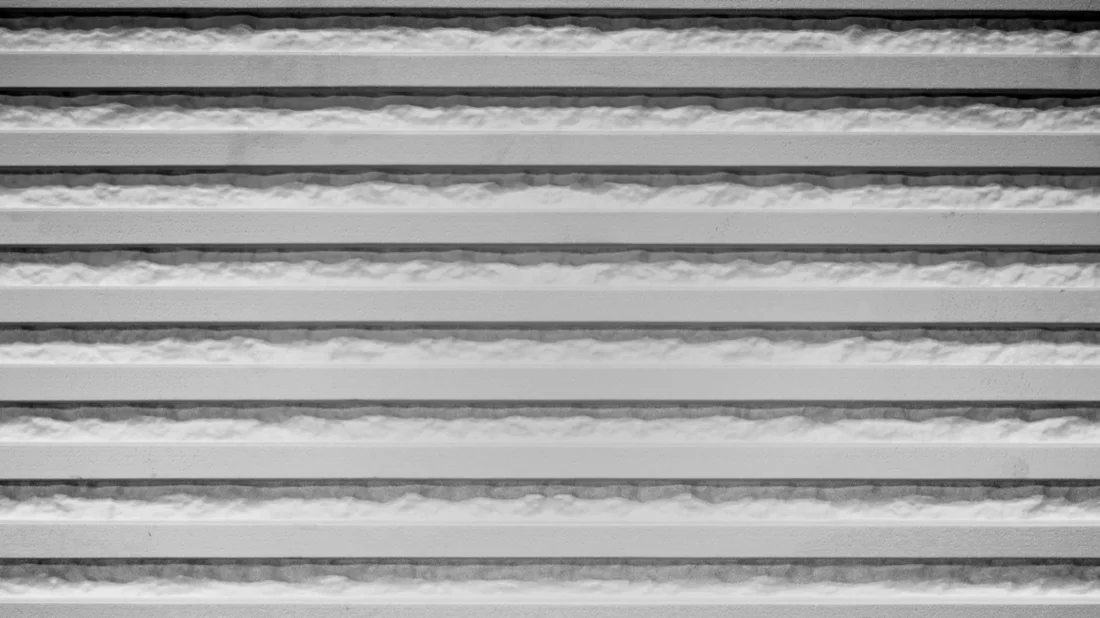
A reveal is a groove cast into the face, typically wider than it is deep. A reveal deeper than it is wide is hard to strip and reads as a slot.
Any reveal removes concrete and reduces the structural thickness of the panel along that line, which matters on a load-bearing or thin panel. Coordinate reveal depth and placement with the precaster’s engineer.
Common questions
- How deep should formliner relief be?
- PCI guidance for architectural precast generally keeps design depth in the half inch to one inch range. Relief deeper than an inch usually needs a sufficiently wide depressed area around it so the panel still strips and the concrete fully consolidates into the texture.
- How much draft does a formliner panel need?
- PCI guidance commonly cites a minimum positive draft of one inch in one foot for easy stripping, with one in eight preferred, and steeper for narrow, ribbed, or delicate sections. Draft is the slope on the sides of a recess that lets the panel release without chipping.
- What is a reveal and does it weaken the panel?
- A reveal is a groove cast into the panel face, usually wider than it is deep. Any reveal removes concrete, so it reduces the panel's structural thickness at that line. Plan reveals with the engineer so they land where the section can spare the material.