What causes the seam line
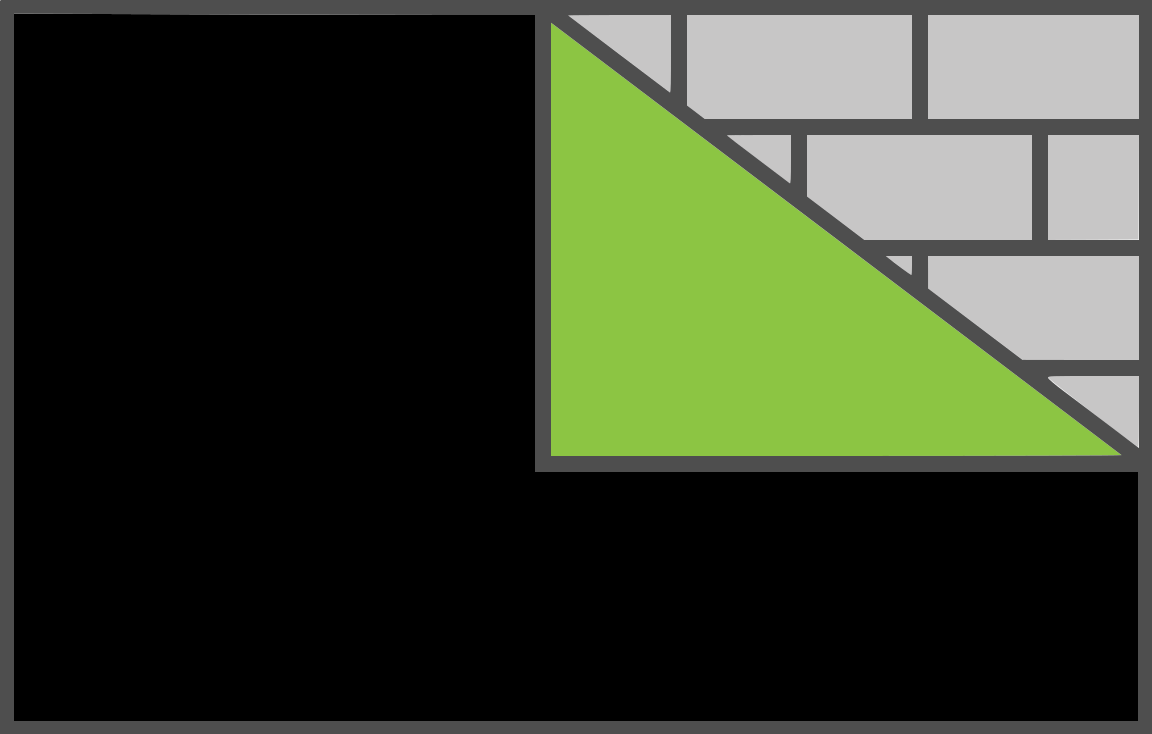
A pattern liner comes in sheets. A long or tall panel takes more than one sheet, and the sheets meet in the bed. Two things happen at that joint.
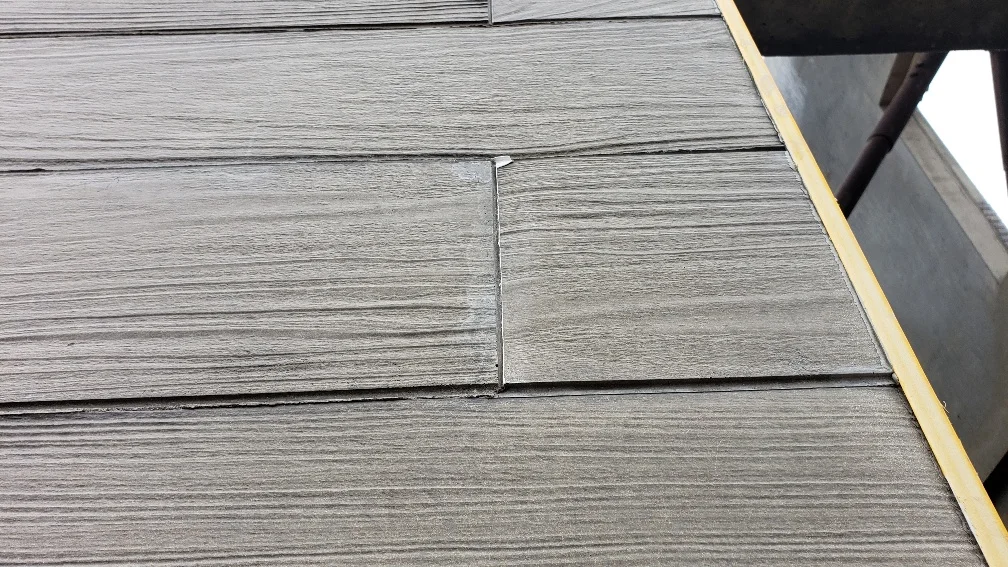
- A hairline gap always remains between butted sheets. Wet concrete works into it and cures as a thin ribbon, which strips as a fine raised line along the seam.
- The pattern breaks at the sheet edge. A running stone or a wood grain stops and restarts a hair off, and the eye catches the interruption once daylight crosses the panel on the wall.
Producers fight the seam with tape, caulk, and careful trimming. These add labor in the bed, and the line still tends to show.
How a seamless liner removes the line
A seamless liner is engineered so the sheets close tight to each other and concrete cannot ribbon into the gap. The pattern is built to carry across the joint, so there is no visual break. Advanced’s Solocast Seamless system is built this way, for a continuous pattern across the full panel face.
Starter and ender sheets
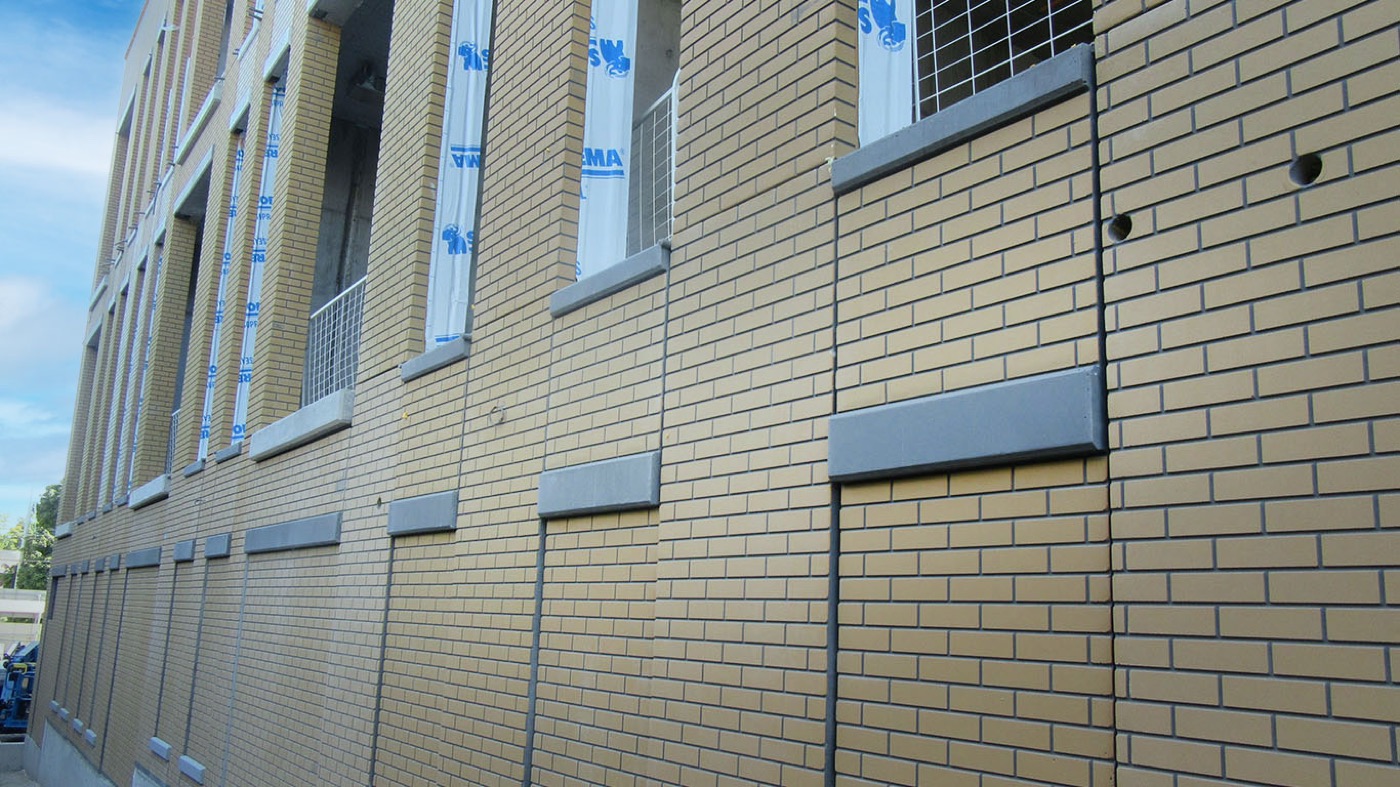
Where the liner stops at the edge of the panel, the pattern has to resolve cleanly, or a crew trims liner in the bed to make it fit. Starter and ender sheets close out the beginning and end of a run so the pattern lands at the panel edge. No liner is cut on the bed, so setup and waste drop and the bed turns faster.
Six foot XXL liners cover more panel per sheet, so a run has fewer joints.
What a visible seam costs
A visible seam can mean rejected panels, patch work, or a finish the architect will not accept. Each one costs bed time and unplanned money.
What to ask for
Where a continuous face matters, specify a seamless system and ask how the ends of the run are closed out. The answer should name starter and ender sheets and explain how the joint is built to disappear. Advanced ships liner samples with no form to fill out, so the joint can be judged under your own shop lights.
Common questions
- Why does a formliner seam show in the finished panel?
- Where two liner sheets butt together, a thin line of concrete works into the gap and the pattern breaks across the joint. That fine ridge and the pattern interruption catch light and read as a seam once the panel is stripped and stood up.
- Can you really cast a panel with no visible seam?
- Yes. A seamless liner is built so the joint between sheets closes tight and the pattern carries across it, so no concrete ridge forms and the eye finds no break. That is what Advanced's Solocast Seamless system is made to do.
- What are starter and ender sheets?
- They close out the beginning and end of a liner run so the pattern resolves cleanly at the panel edges. With them, your crew is not trimming liner in the casting bed, which saves setup time and cuts waste.