
What goes in a formliner spec
- Pattern or profile. Name the stock pattern, or state that it is custom and reference the drawing. Patterns include rope rib, board form, ashlar stone, brick, and custom graphics.
- Depth of relief. How deep the pattern cuts into the face. A shallow board form and a deep fractured rib are very different jobs.
- Draft. The slight angle on the side walls of the relief so the panel releases from the liner.
- Panel and joint layout. Where the panels break and where the joints fall. The pattern has to work with the joints, since a rib that runs off a panel edge at a random spot looks like a mistake.
- Finish. As cast, acid etch, sandblast, stain, or sealer. The finish changes how the pattern reads.
- Sample and mockup requirements. What you want to see, when, and who approves it: a small sample for the texture, and a full mockup panel if the job warrants one.
- Single use or multi use, where reuse count matters to your budget or finish consistency.
Depth and draft
Depth and draft decide whether the panels strip clean.
Depth of relief is how deep the pattern is. Deeper relief casts a stronger shadow and reads bolder from a distance, and the concrete has to pull out of a deeper pocket at strip.
Draft is the slight taper on the walls of that pocket that lets the concrete release. Deep relief with straight walls and no draft locks the concrete into the liner, causing tearing, chipping, or a liner that will not release.
PCI guidance for architectural precast recommends adequate draft on any deep relief so the panel and the liner separate without damage. On a deep pattern, discuss draft with your rep early, or check the profile with the draft and depth checker.
Samples and mockups
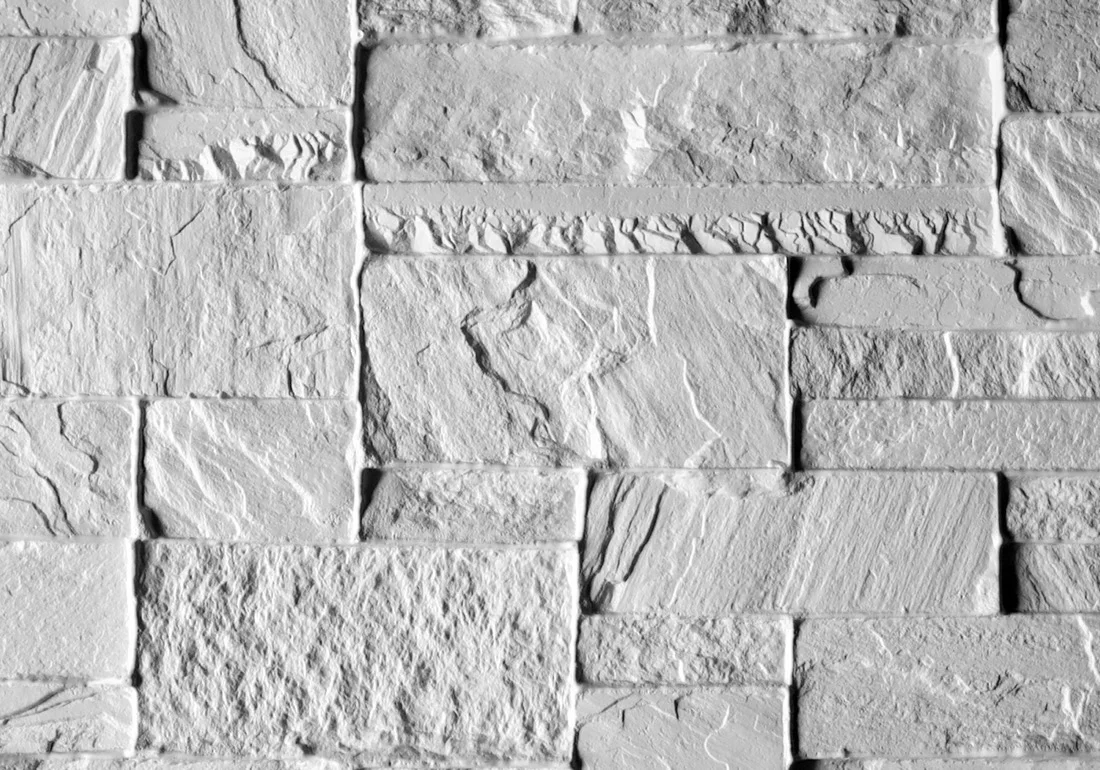
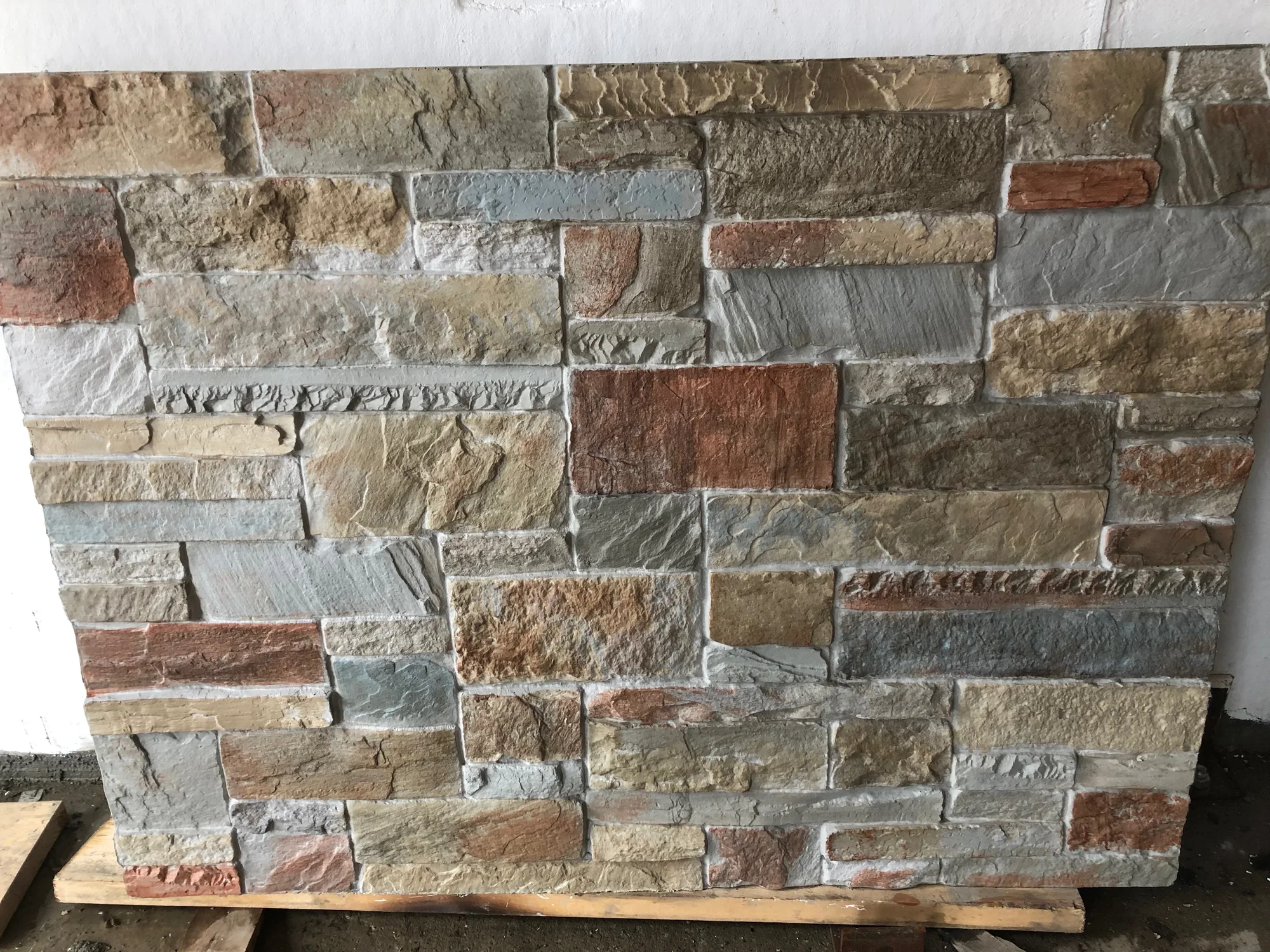
Advanced ships spec sheets and samples with no form to fill out. Hold a physical sample of the pattern before you finalize the spec, since texture reads differently in person than in a catalog photo. On bigger jobs, plan a mockup panel so the owner and the design team approve the finish at real scale in real light.
Section numbers and CAD files
The specification builder drafts Section 03 45 00, 03 47 13, or 03 33 00 as a Word file. Downloadable CAD files are not posted yet. For a CAD block, ask your rep.
Common questions
- What are the most important things to put in a formliner spec?
- Pattern or profile, depth of relief, and draft. Then panel and joint layout, finish, and your sample and mockup requirements. Depth and draft matter most for whether the panels strip clean, so do not leave those out.
- Do I have to fill out a form to get samples?
- No. Advanced ships spec sheets and samples with no form to fill out. You ask, they send. It is easier to spec a pattern when you can hold the real texture in your hand.
- Why do depth and draft belong in the spec?
- Depth of relief sets how deep the pattern is. Draft is the slight angle on the side walls of that relief. Without enough draft, a deep pattern grabs the liner and the panel does not strip clean. Spelling both out prevents surprises at the plant.