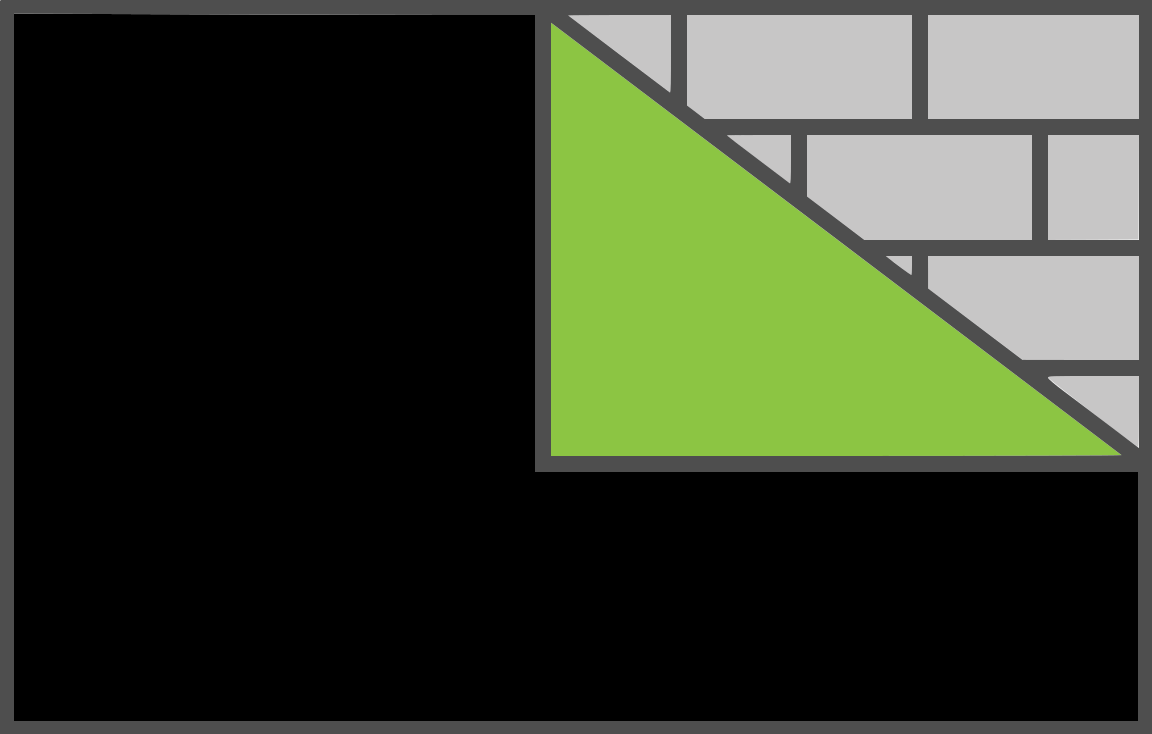
What an embedded thin brick wall is
The wall is faced with real fired brick, cast into a concrete panel at the plant. The panel ships with the brick and mortar lines already in place, and the site crew sets it with a crane. The brick work happens indoors at the plant, where quality and schedule are easier to control.

How the brick gets into the panel
- A rubber formliner has pockets shaped to hold each brick and space the joints.
- A worker sets thin brick into the pockets, face down.
- The liner goes into the form, and concrete is poured over the back of the brick.
- The concrete grabs the back of each brick and locks it in.
- When the panel cures and the liner strips away, the brick face is exposed and the concrete between the brick reads as mortar.
This works for precast panels made at a precast plant and for tilt-up panels cast flat on the slab at the site.
What a ledge is
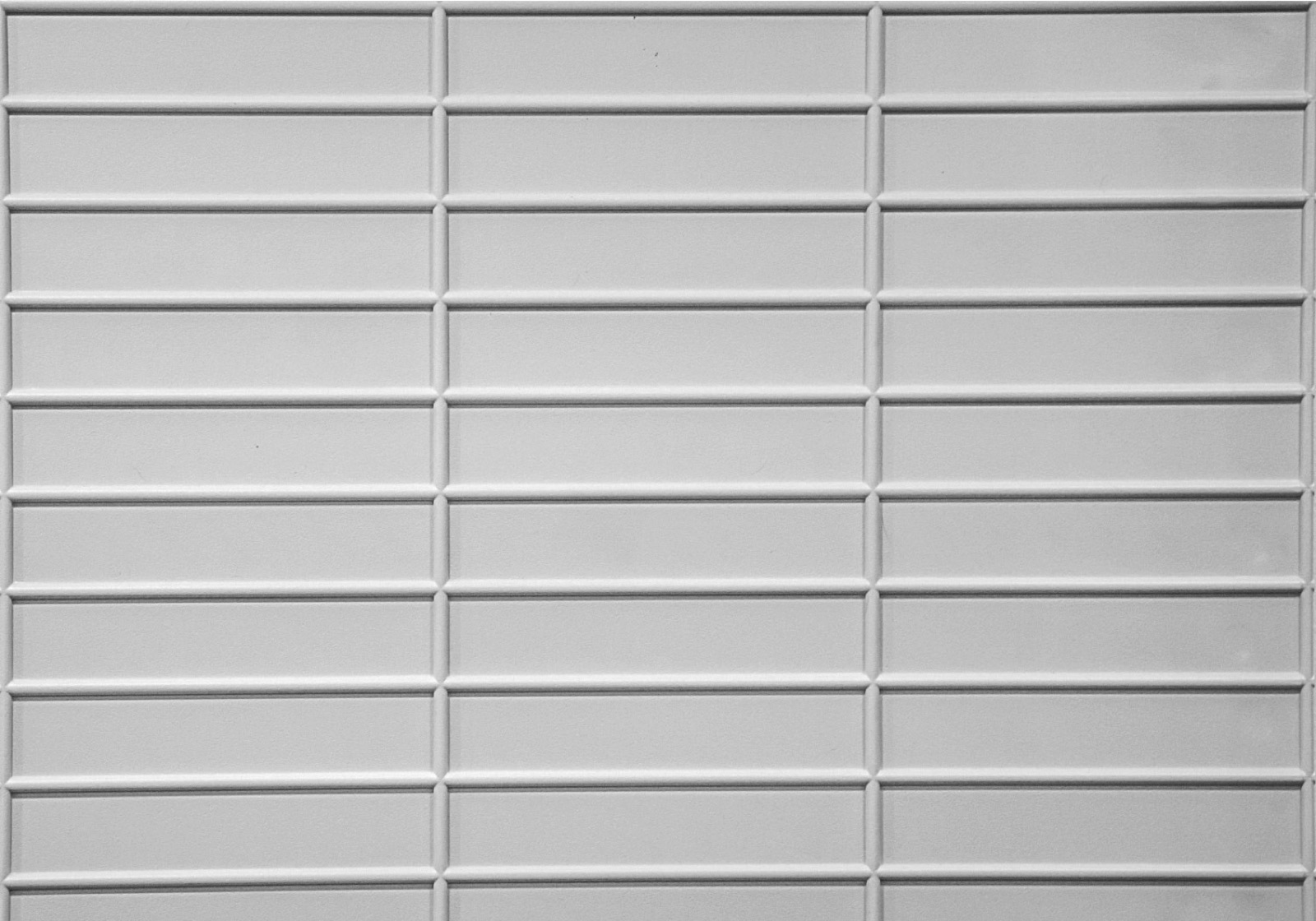
When the liner does not seal tight against the edge of each brick, wet concrete creeps up along the brick edge and hardens there. That thin shelf of concrete is a ledge.
- Appearance. A ledge shows as a rough smear of concrete on the brick face, and the line where brick meets mortar goes uneven. Across a wall it reads as messy.
- Water. The shelf holds water against the brick, and freeze-thaw cycles make that worse over time.
A tight seal gives a clean mortar line
When the liner seals to the brick, the concrete stops where the mortar joint should be. The brick face stays clean and the joint is sharp and even, so the wall reads as laid brick.
The seal depends on the liner fitting the brick. Brick comes out of the kiln with small differences in size, shape, and texture. A liner that only fits a perfect brick leaves a gap at every brick that is slightly off, and every gap can form a ledge.
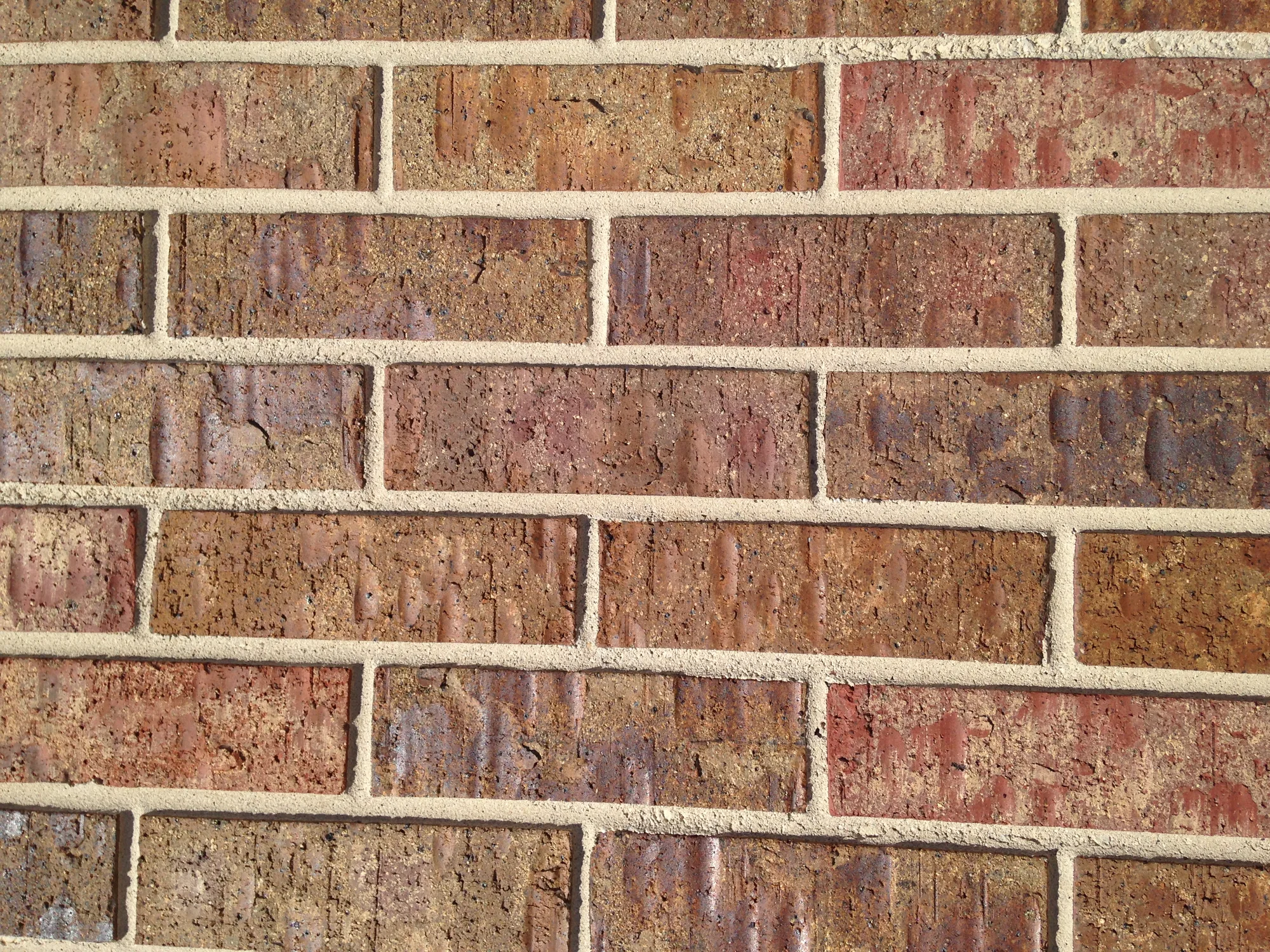
Advanced thin brick formliners
Advanced makes two thin brick formliners, Solocast and Flex2Fit. Both work the same basic way: brick in the liner, concrete over the back, and a clean face at strip.
Flex2Fit is built to seal around brick that varies in size and shape, so the line stays clean with no ledge. Your rep can confirm which system fits your brick and your panel layout.
Common questions
- Where does the brick get installed, at the plant or on site?
- At the plant. The brick sets into a rubber liner, the liner goes in the form, and concrete gets cast against it. The finished panel arrives at the jobsite with the brick already in place.
- What is a ledge and why is it a problem?
- A ledge is a thin shelf of concrete that creeps along a brick edge when the liner does not seal tight to the brick. It looks sloppy and can trap water. A good seal keeps concrete off the brick face and gives you a clean mortar line.
- Can a thin brick formliner handle brick that is not perfectly uniform?
- Yes. Real brick varies kiln to kiln. Flex2Fit is built to seal around brick that is not uniform in size or shape, so you still get a clean line with no ledge. Solocast is the other embedded system Advanced makes.