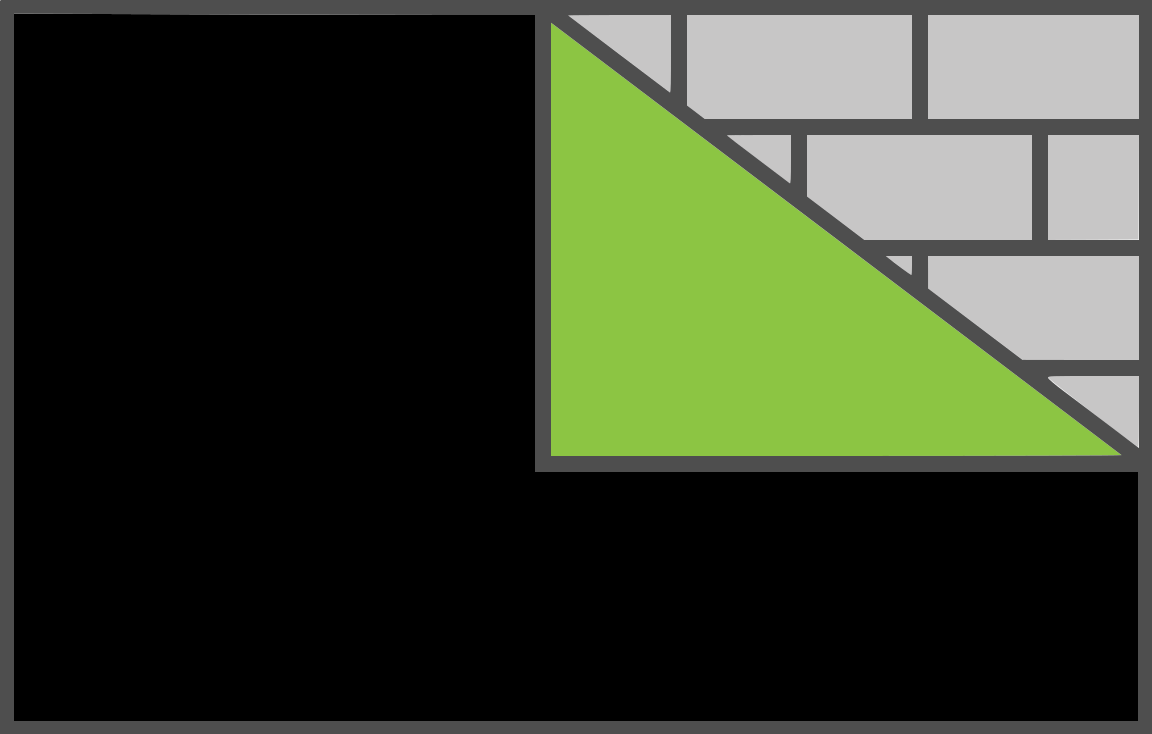
What thin brick is
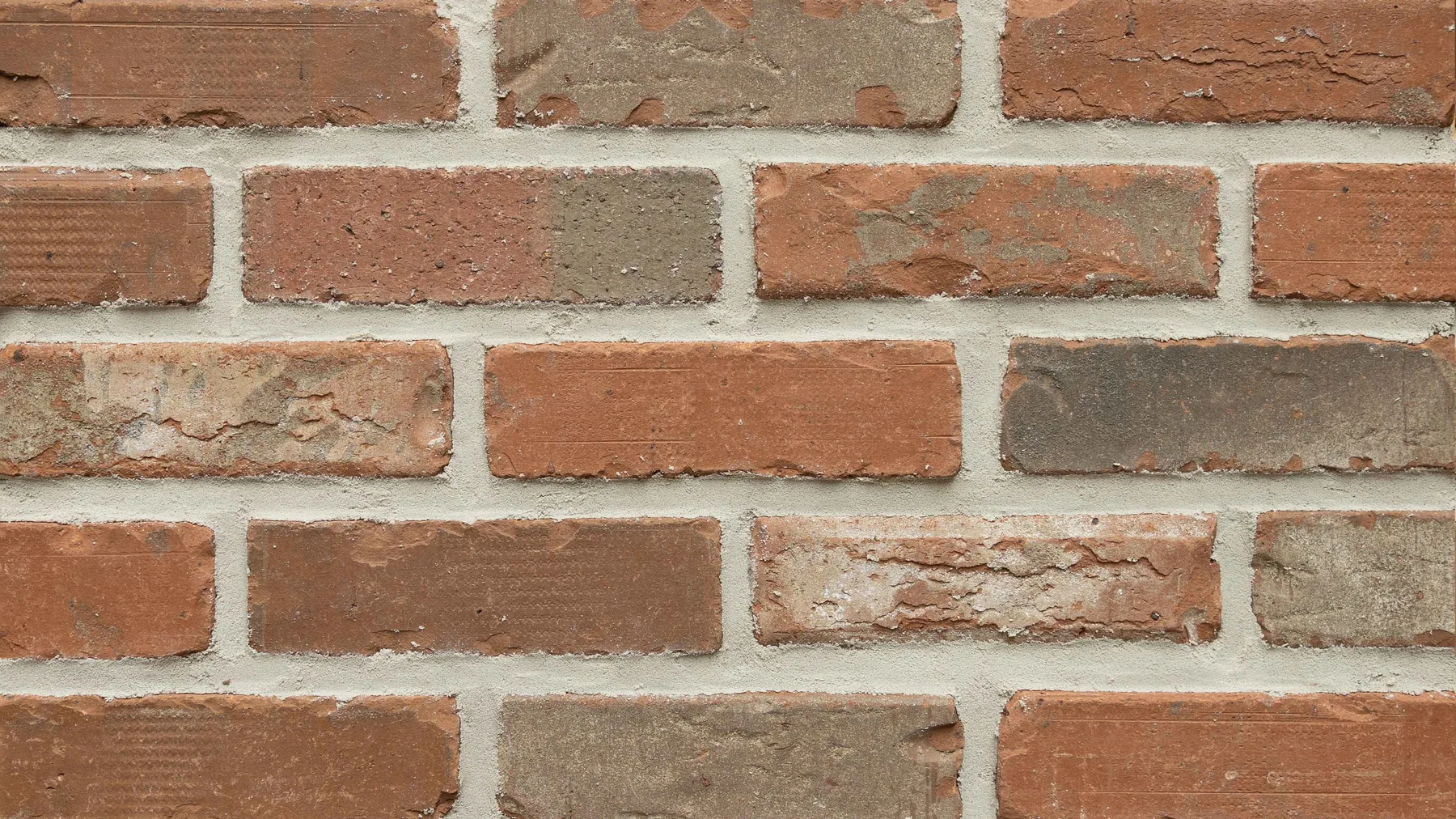
Thin brick is a face slice of real fired clay brick. It has the same clay body, fired color, and face texture as a full brick without the full depth, so it can be set into a formliner and cast into a concrete panel. It weathers and ages like brick.
Sizes and coursing
Thin brick face dimensions match common brick, so a thin brick wall courses out like a mason-built wall, with the same rhythm of brick and joint.
Modular sizes keep the coursing math clean, so a run lands on even coursing without odd cuts. Larger and specialty faces are also available.
Exact face dimensions and coursing depend on the brick. Your rep confirms them for the brick you are specifying. See sizes and shapes.
Bond patterns
Bond pattern is how the brick lines up course to course.
- Running bond. Each course shifts so the vertical joints do not stack, landing near the middle of the brick above and below. The most common brick look.
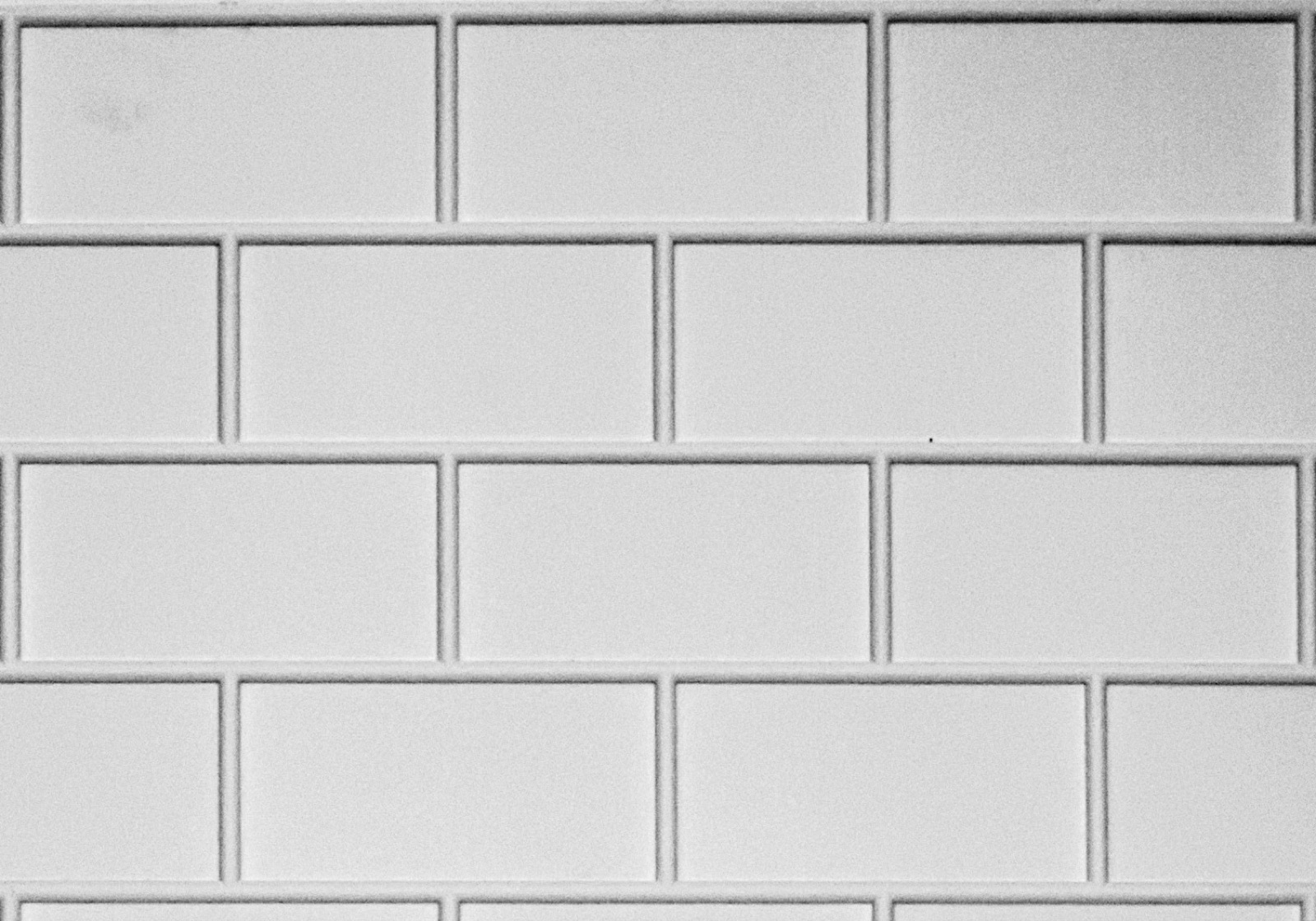
- Stack bond. The brick stack straight up, so the vertical joints line up in a grid. It reads cleaner and more modern and shows the brick as a repeating unit.
Other patterns exist, and running bond and stack bond cover most jobs. The bond is built into the liner, since the liner sets the spacing and layout of the brick.
Non-uniform brick
Real brick comes out of the kiln with small differences in size, shape, and texture. One brick is a hair longer than the next, an edge is rounded on one and crisp on another, and the face texture varies. That is normal for fired clay.
The liner holds each brick and seals around it so concrete stays off the brick face. A liner built only for an identical brick leaves a small gap at every brick that is a little off. Wet concrete fills the gap and hardens into a thin shelf along the brick edge, called a ledge. A ledge looks sloppy and can trap water against the brick.
How Flex2Fit handles it
Flex2Fit is built to seal around brick that varies in size and shape, so the concrete stops at the joint and stays off the brick face. The result is a clean mortar line with no ledge.
Brick and liner from one source
Advanced supplies both the thin brick and the formliner built to hold it, so the fit is worked out before anything is cast.
Common questions
- What is thin brick?
- Thin brick is a thin face-slice of real fired clay brick. It has the same face and color as full brick but much less depth, so it can be set into a formliner and cast into a concrete panel instead of laid as full units.
- What does non-uniform brick mean?
- It means real brick varies. Size, shape, and texture change kiln to kiln and even brick to brick. That variation is normal for real fired clay. It matters because the liner has to seal around brick that is not all identical.
- Why does brick variation matter for the formliner?
- If a liner only fits a perfect brick, every brick that is a little off leaves a gap, and concrete creeps into that gap and forms a ledge. Flex2Fit is built to seal around non-uniform brick so you get a clean line with no ledge.